The Importance of Intangibles like Natural Light and Ventilation in Office Space
Published on August 21, 2024

When planning and designing office spaces, much attention is given to tangible elements like furniture, layout, and technology. However, intangibles such as natural light and ventilation play an equally crucial role in creating a productive and healthy work environment. These elements, though not immediately visible in budget sheets or floor plans, significantly impact employee well-being, productivity, and overall satisfaction. This article delves into the importance of natural light and ventilation in office spaces and explores how these factors contribute to a better workplace.
Looking for an Office Space?
Finding an office space through myHQ is easy and efficient, with zero brokerage fees, the largest coverage across India, and quick turnaround time. Dedicated workspace experts assist every step of the way, ensuring a hassle-free search.
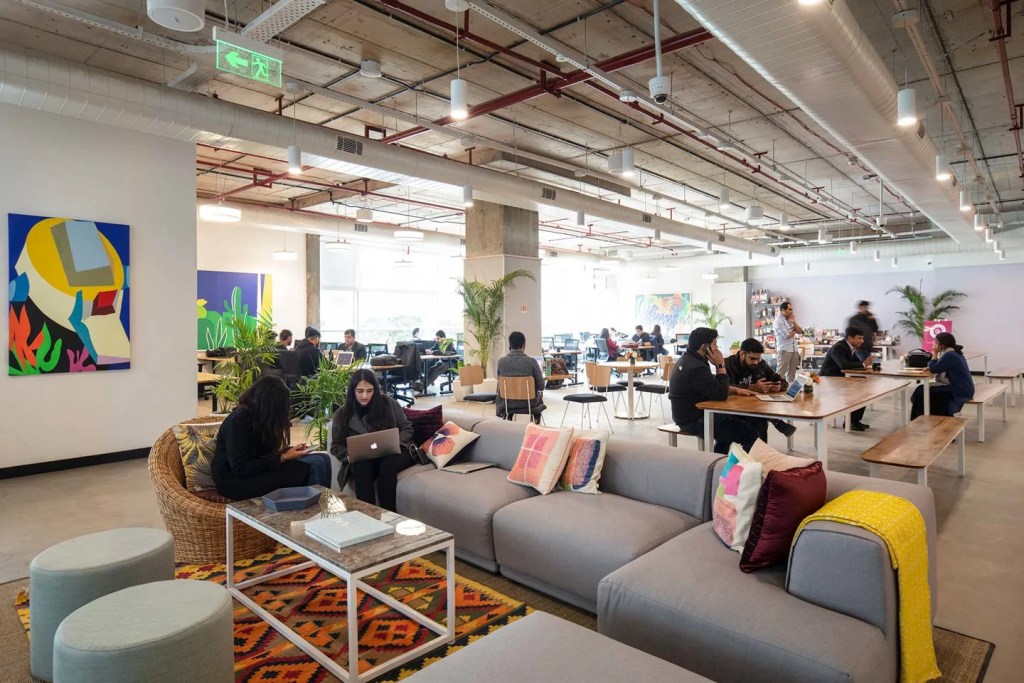
The Role of Natural Light
Enhancing Employee Well-being
Natural light has a profound effect on the physical and mental well-being of employees. Exposure to natural light helps regulate the body’s circadian rhythms, which in turn improves sleep patterns and reduces the risk of sleep disorders. Employees who are well-rested are generally more alert, focused, and less prone to stress and burnout. Studies have shown that workplaces with ample natural light report lower incidences of absenteeism and sick leave.
Boosting Productivity
The presence of natural light in office spaces has been linked to increased productivity. A study by the American Academy of Sleep Medicine found that workers exposed to natural light performed better on cognitive tasks and reported higher energy levels. Natural light reduces eye strain and headaches, common issues associated with artificial lighting. This improvement in visual comfort allows employees to concentrate better and work more efficiently.
Enhancing Mood and Morale
Natural light has been shown to enhance mood and overall workplace morale. It stimulates the production of serotonin, a neurotransmitter that contributes to feelings of well-being and happiness. A brighter, well-lit environment can foster a positive atmosphere, making employees feel more engaged and satisfied with their work. This positive morale can lead to improved teamwork and collaboration, further boosting overall productivity.
The Importance of Ventilation
Improving Air Quality
Proper ventilation is essential for maintaining good indoor air quality. Office spaces can accumulate various pollutants, including volatile organic compounds (VOCs) from office supplies and furnishings, dust, and allergens. Inadequate ventilation can lead to a buildup of these pollutants, causing respiratory issues, allergies, and other health problems. A well-ventilated office ensures a steady flow of fresh air, diluting indoor pollutants and creating a healthier work environment.
Enhancing Cognitive Function
Good ventilation is directly linked to improved cognitive function. A study conducted by the Harvard T.H. Chan School of Public Health found that better-ventilated office environments resulted in significantly higher cognitive scores for workers. Fresh air helps maintain oxygen levels in the blood, which is crucial for brain function. Employees in well-ventilated spaces tend to be more alert, make better decisions, and perform complex tasks more effectively.
Reducing the Spread of Illness
Ventilation also plays a crucial role in reducing the spread of airborne illnesses. In the wake of the COVID-19 pandemic, the importance of good ventilation has been highlighted more than ever. Proper airflow can help minimize the concentration of airborne pathogens, reducing the risk of transmission in the workplace. This can lead to fewer sick days and a healthier workforce overall.
Designing for Natural Light and Ventilation
Architectural Considerations
Incorporating natural light and ventilation into office design requires careful architectural planning. Large windows, skylights, and open floor plans can maximize the amount of natural light entering the workspace. However, it is important to consider the orientation of the building and potential glare issues. Adjustable blinds or shades can help control light levels and prevent discomfort.
Ventilation Systems
Modern HVAC systems can be designed to provide adequate ventilation while maintaining energy efficiency. The use of air purifiers and plants can further enhance air quality. Additionally, implementing a system that allows for the occasional opening of windows can introduce fresh air and reduce reliance on mechanical ventilation.
Biophilic Design
Biophilic design, which integrates natural elements into the built environment, can enhance both natural light and ventilation. This approach includes features like indoor gardens, green walls, and natural materials, which not only improve air quality but also create a more visually pleasing and calming atmosphere. Biophilic design can have a significant positive impact on employee well-being and productivity.
Managed Office Solutions by myHQ
✓ Fully furnished customized office
✓ Fully managed operations & housekeeping
✓ Expansive network of 300+ office spaces
✓ Zero brokerage fees
✓ Quick turnaround time
✓ Dedicated office spaces experts
Case Studies and Examples
Case Study 1: Infosys, Hyderabad
Project Overview: Infosys’ Hyderabad campus is known for its sustainable design and emphasis on natural light and ventilation. The building incorporates large windows, skylights, and an open courtyard to maximize natural light penetration throughout the workspace.
Key Features:
- Natural Light: The campus design ensures that almost every workstation receives adequate natural light, reducing the dependency on artificial lighting during the day.
- Ventilation: The building features an advanced HVAC system and strategically placed windows to enhance cross-ventilation, ensuring a steady flow of fresh air.
- Green Spaces: The campus includes numerous green spaces and water bodies that improve air quality and create a refreshing environment for employees.
Impact: Infosys reported improved employee satisfaction and productivity due to the healthier and more stimulating work environment. The design also contributed to significant energy savings by reducing the need for artificial lighting and cooling.
Case Study 2: Suzlon One Earth, Pune
Project Overview: Suzlon One Earth in Pune is one of India’s greenest corporate campuses. It has been designed with a strong focus on sustainability, natural light, and ventilation.
Key Features:
- Natural Light: The design includes large glass facades and atriums that allow ample natural light to enter the building. Light shelves and reflective surfaces further distribute light evenly.
- Ventilation: The campus employs a combination of passive and active ventilation strategies, including operable windows and a well-designed HVAC system, to ensure optimal air quality and circulation.
- Sustainable Design: The building uses renewable energy sources, such as wind and solar power, and incorporates water conservation measures, enhancing its overall sustainability.
Impact: Suzlon One Earth has received LEED Platinum certification, reflecting its high standards of environmental performance. Employees benefit from a healthier work environment with reduced stress levels and increased productivity.
Case Study 3: Wipro Technologies, Gurgaon
Project Overview: Wipro Technologies’ Gurgaon office is designed to prioritize employee well-being through natural light and ventilation. The building integrates sustainable design practices to create an eco-friendly workspace.
Key Features:
- Natural Light: The building features floor-to-ceiling windows and an open layout that maximizes the penetration of natural light. Light wells and courtyards are also used to ensure deeper light reach.
- Ventilation: A combination of natural and mechanical ventilation systems helps maintain high indoor air quality. The use of energy-efficient HVAC systems ensures a steady supply of fresh air.
- Green Building Standards: The office adheres to green building standards, incorporating features such as rainwater harvesting, energy-efficient lighting, and green roofs.
Impact: Wipro Technologies has observed improved employee health and satisfaction, alongside reduced operational costs due to lower energy consumption. The building’s sustainable features have also enhanced the company’s reputation as an environmentally responsible organization.
Case Study 4: Godrej BKC, Mumbai
Project Overview: Godrej BKC in Mumbai is a commercial office building that exemplifies the integration of natural light and ventilation into its design. The building is designed to provide a high-quality work environment while minimizing its environmental footprint.
Key Features:
- Natural Light: The building’s design includes extensive use of glass facades, allowing for abundant natural light throughout the day. The interior layout ensures that workspaces receive adequate daylight.
- Ventilation: The building incorporates a high-performance HVAC system and operable windows to facilitate natural ventilation. The use of atriums and green walls further enhances air quality.
- Sustainability: Godrej BKC is designed to meet international green building standards, featuring energy-efficient systems and materials that reduce its overall environmental impact.
Impact: The emphasis on natural light and ventilation has resulted in a more pleasant and productive work environment. Employees report higher satisfaction levels, and the building’s energy-efficient design has led to significant cost savings
These case studies demonstrate how Indian companies are increasingly recognizing the importance of natural light and ventilation in office design. By prioritizing these elements, organizations can create healthier, more productive, and sustainable work environments that benefit both employees and the business. As awareness of workplace wellness grows, more companies are expected to adopt similar practices, contributing to a broader movement towards healthier and more sustainable office spaces in India.
Coworking Space
✓ Flexible lease
✓ Moderate Cost
✓ Customizable
✓ Tailored privacy
✓ Professionally managed
✓ Scalable options
Managed Office
✓ Highly flexible
✓ Lower cost
✓ Limited customization beyond desk
✓ Provider handles
✓ Provider managed
✓ Scalable options
Conclusion
Natural light and ventilation are vital components of a healthy and productive office space. They enhance employee well-being, boost productivity, improve air quality, and reduce the spread of illnesses. Investing in these intangibles can lead to significant long-term benefits for both employees and employers. As the importance of workplace wellness continues to grow, integrating natural light and ventilation into office design should be a top priority for businesses looking to create a thriving and sustainable work environment.

Why Is It Important to Choose the Right Office Space?
Read now

What to Consider When Taking an Office for Remote and Hybrid Teams
Read now
How to Determine the Right Size While Upgrading Your Office
Read now
The Role of Interiors in Deciding the Success of Your Office Space
Read now
Key Factors to Consider When Choosing Office Space Layout
Read now
How to Ensure Your Office Space is Eco-Friendly and Sustainable
Read now