
Creating an eco-friendly and sustainable office space is essential for reducing environmental impact and promoting a healthy, productive work environment. By incorporating sustainable practices and eco-friendly designs, businesses can contribute to the well-being of the planet while also improving their bottom line. This article provides a comprehensive guide on how to ensure your office space is eco-friendly and sustainable.
Looking for an Office Space?
Finding an office space through myHQ is easy and efficient, with zero brokerage fees, the largest coverage across India, and quick turnaround time. Dedicated workspace experts assist every step of the way, ensuring a hassle-free search.
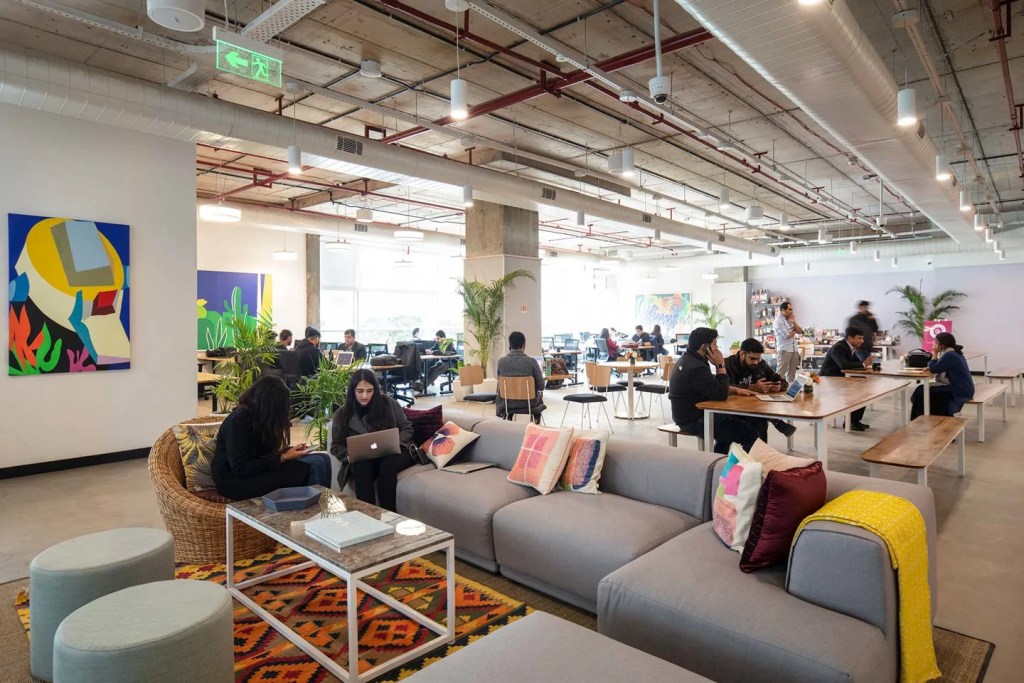
10 Tips to Create an Eco Friendly and Sustainable Office Space
Creating an eco-friendly and sustainable office space is not only good for the environment but also boosts employee well-being and can reduce operational costs. By making small, intentional changes, you can create a workspace that supports both your business and the planet. Here are 10 practical tips to help you get started.
1. Sustainable Building Materials
Recycled and Reclaimed Materials
Use recycled and reclaimed materials for office furniture, flooring, and construction. These materials reduce the demand for new resources and often have a smaller environmental footprint compared to new materials.
Low-VOC Paints and Finishes
Select low-VOC (volatile organic compounds) paints, adhesives, and finishes for your office. These products emit fewer harmful chemicals, improving indoor air quality and reducing the environmental impact.
Sustainable Flooring
Consider sustainable flooring options such as bamboo, cork, or recycled materials. These options are renewable, durable, and have a lower environmental impact compared to traditional flooring materials like carpet or hardwood.
2. Energy Efficiency
LED Lighting
Switch to energy-efficient LED lighting throughout the office. LED bulbs consume significantly less energy than traditional incandescent bulbs and have a longer lifespan, reducing both energy costs and waste.
Smart Lighting Systems
Implement smart lighting systems that use motion sensors and timers to ensure lights are only on when needed. These systems can automatically adjust lighting based on occupancy and natural light levels, further reducing energy consumption.
Energy-Efficient Appliances
Choose energy-efficient appliances and office equipment, such as computers, printers, and refrigerators. Look for products with ENERGY STAR certification, which indicates they meet strict energy efficiency guidelines.
3. Waste Reduction
Recycling Programs
Implement a comprehensive recycling program in the office. Provide clearly labeled recycling bins for paper, plastic, glass, and metal, and educate employees on what can and cannot be recycled.
Reduce Paper Usage
Encourage digital documentation and communication to reduce paper usage. Use electronic signatures, digital file storage, and email instead of printed documents whenever possible. When printing is necessary, use recycled paper and print double-sided.
Composting
Set up a composting program for organic waste, such as food scraps and coffee grounds. Composting reduces the amount of waste sent to landfills and produces nutrient-rich soil that can be used for office plants or donated to local gardens.
4. Water Conservation
Low-Flow Fixtures
Install low-flow faucets, toilets, and urinals in office restrooms to reduce water consumption. These fixtures use significantly less water than standard models, conserving a valuable resource and lowering water bills.
Water-Efficient Landscaping
If your office has outdoor landscaping, choose drought-resistant plants and use efficient irrigation systems like drip irrigation to minimize water usage. Collect rainwater for irrigation to further conserve water.
Regular Maintenance
Regularly inspect and maintain plumbing systems to prevent leaks and inefficiencies. Fixing leaks promptly can save a substantial amount of water over time.
5. Indoor Air Quality
Air-Purifying Plants
Incorporate air-purifying plants into the office design. Plants like spider plants, snake plants, and peace lilies can help remove toxins from the air and improve overall indoor air quality.
Ventilation Systems
Ensure the office has a good ventilation system that circulates fresh air and removes pollutants. Consider installing air purifiers and using HEPA filters in HVAC systems to maintain clean indoor air.
Non-Toxic Cleaning Products
Use non-toxic, environmentally friendly cleaning products for office maintenance. These products are less harmful to both the environment and the health of employees.
Managed Office Solutions by myHQ
✓ Fully furnished customized office
✓ Fully managed operations & housekeeping
✓ Expansive network of 300+ office spaces
✓ Zero brokerage fees
✓ Quick turnaround time
✓ Dedicated office spaces experts
6. Sustainable Office Furniture
Eco-Friendly Furniture
Choose furniture made from sustainable materials, such as bamboo, reclaimed wood, or recycled metal. Look for furniture that is certified by sustainability standards like FSC (Forest Stewardship Council) or GREENGUARD.
Modular and Adaptable Furniture
Invest in modular and adaptable furniture that can be reconfigured as needed. This reduces the need for new furniture when office layouts change, extending the lifespan of existing pieces.
Second-Hand and Refurbished Furniture
Consider purchasing second-hand or refurbished furniture. This option is often more affordable and reduces the demand for new resources, minimizing the environmental impact.
7. Transportation and Commute
Public Transport and Carpool Incentives
Encourage employees to use public transport, carpool, or bike to work by offering incentives such as subsidized transit passes, carpooling benefits, or secure bike storage and showers.
Electric Vehicle Charging Stations
Install electric vehicle (EV) charging stations in the office parking area. Supporting EVs can encourage employees to choose greener transportation options.
Remote Work and Telecommuting
Promote remote work and telecommuting to reduce the environmental impact of commuting. By allowing employees to work from home, you can decrease the office’s overall carbon footprint.
8. Renewable Energy
Solar Panels
Install solar panels on the office building to generate renewable energy. Solar energy can significantly reduce dependence on fossil fuels and lower electricity bills.
Green Energy Providers
Switch to a green energy provider that sources electricity from renewable sources like wind, solar, or hydro. This is an easy way to support renewable energy without making significant changes to your office infrastructure.
Energy Audits
Conduct regular energy audits to identify areas where energy consumption can be reduced. Implementing the recommendations from these audits can lead to significant energy savings and a more sustainable office.
9. Employee Engagement and Education
Sustainability Training
Provide training and resources to educate employees about sustainable practices and how they can contribute to an eco-friendly office. Topics can include energy conservation, waste reduction, and sustainable commuting options.
Green Teams
Form a green team or sustainability committee to lead and promote eco-friendly initiatives within the office. This team can organize events, track progress, and keep sustainability at the forefront of office culture.
Incentive Programs
Create incentive programs to encourage sustainable behaviors among employees. Offer rewards or recognition for actions such as reducing energy consumption, participating in recycling programs, or using public transport.
10. Sustainable Office Design
Natural Light
Maximize the use of natural light in the office design. Large windows and open floor plans can reduce the need for artificial lighting and create a more pleasant working environment.
Passive Solar Design
Incorporate passive solar design principles to take advantage of natural heating and cooling. Proper insulation, window placement, and shading can help maintain a comfortable temperature and reduce energy use.
Green Building Certifications
Aim for green building certifications such as LEED (Leadership in Energy and Environmental Design) or BREEAM (Building Research Establishment Environmental Assessment Method). These certifications provide guidelines for sustainable building practices and recognize environmentally responsible buildings.
Coworking Space
✓ Flexible lease
✓ Moderate Cost
✓ Customizable
✓ Tailored privacy
✓ Professionally managed
✓ Scalable options
Managed Office
✓ Highly flexible
✓ Lower cost
✓ Limited customization beyond desk
✓ Provider handles
✓ Provider managed
✓ Scalable options
Conclusion
Creating an eco-friendly and sustainable office space is not only beneficial for the environment but also enhances employee well-being and can lead to cost savings. By focusing on energy efficiency, sustainable materials, waste reduction, water conservation, indoor air quality, sustainable furniture, transportation, renewable energy, employee engagement, and sustainable design, businesses can make significant strides towards sustainability. Implementing these practices requires commitment and collaboration but can result in a greener, healthier, and more productive work environment.
