Why Aligning Office Space with Company Culture and Brand Identity is Important
Published on August 21, 2024

Table of contents
In the modern business landscape, an office is more than just a place where employees perform their daily tasks. It is an environment that embodies a company’s values, culture, and brand identity. Aligning your office space with these elements is crucial for a variety of reasons, ranging from enhancing employee satisfaction and productivity to improving client perceptions and supporting business growth. This article delves into why it’s important to align your office space with your company’s culture and brand identity.
Looking for an Office Space?
Finding an office space through myHQ is easy and efficient, with zero brokerage fees, the largest coverage across India, and quick turnaround time. Dedicated workspace experts assist every step of the way, ensuring a hassle-free search.
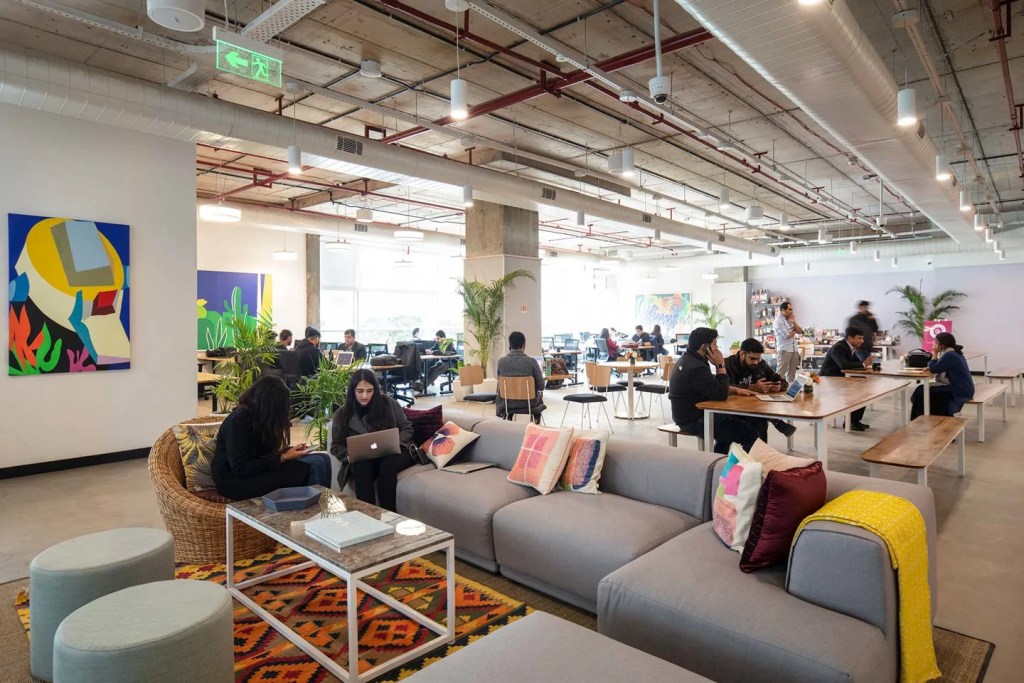
1. Reinforcing Company Values and Culture
The physical environment of an office can profoundly influence how employees perceive and internalize the company’s values and culture.
- Visual Representation: Incorporating elements that represent company values into the office design helps to reinforce these principles daily. This could include artwork, slogans, or decor that reflects the company’s mission and vision.
- Behavioral Cues: The layout and design of the office can encourage behaviors that align with company culture. For instance, open-plan spaces can promote transparency and collaboration, while quiet zones can emphasize the importance of focused, independent work.
2. Enhancing Employee Engagement and Productivity
A workspace that reflects the company’s culture can significantly boost employee engagement and productivity.
- Sense of Belonging: When employees see the company’s culture reflected in their workspace, it can foster a greater sense of belonging and alignment with the organization’s goals. This sense of connection can lead to increased motivation and commitment.
- Work Environment: A well-designed office that aligns with the company’s ethos can create an environment where employees feel comfortable and inspired. For example, a creative agency might benefit from a vibrant, open space that encourages innovative thinking, while a law firm might opt for a more formal, structured environment.
3. Attracting and Retaining Talent
The physical workspace is a powerful tool for attracting and retaining top talent, particularly in a competitive job market.
- First Impressions: Potential employees often form their first impressions of a company based on its office space. An environment that clearly embodies the company’s culture and values can be a significant draw for candidates.
- Employee Satisfaction: Current employees are more likely to stay with a company if they feel that the workspace supports their needs and reflects their values. Features such as comfortable seating, flexible work areas, and collaborative spaces can contribute to job satisfaction and reduce turnover.
4. Improving Client Perceptions
Your office space is also a reflection of your brand to clients and visitors. A well-aligned office can help create a positive impression and build trust.
- Brand Identity: The design and aesthetics of your office should reflect your brand identity. For instance, a tech company might use sleek, modern furnishings and advanced technology to convey innovation, while a consulting firm might choose a more traditional and professional look to convey reliability and expertise.
- Professionalism: A clean, well-maintained office that aligns with the brand identity can signal professionalism and attention to detail, which are crucial for building client confidence.
5. Supporting Business Growth and Adaptability
An office space that aligns with your company’s culture and brand identity can support business growth and adaptability.
- Scalability: As your company grows, your office space should be able to adapt to changing needs. A flexible, well-designed space can accommodate new employees, evolving workflows, and changing business strategies.
- Innovation and Creativity: A workspace that fosters your company’s culture can also drive innovation and creativity. By creating an environment that encourages collaboration and open communication, you can better support the development of new ideas and solutions.
Managed Office Solutions by myHQ
✓ Fully furnished customized office
✓ Fully managed operations & housekeeping
✓ Expansive network of 300+ office spaces
✓ Zero brokerage fees
✓ Quick turnaround time
✓ Dedicated office spaces experts
6. Reflecting Organizational Structure and Work Style
The layout and design of an office can reflect and support the organizational structure and preferred work style of a company.
- Hierarchy vs. Flat Structure: Companies with a hierarchical structure might benefit from private offices and clear divisions between departments. In contrast, companies with a flat organizational structure might opt for open spaces that encourage interaction across all levels of the organization.
- Collaborative vs. Independent Work: The design of the office can support the preferred work style of the company. For example, collaborative workspaces, breakout rooms, and shared desks can support teamwork, while quiet zones and private offices can support independent, focused work.
7. Facilitating Effective Communication
Office design can play a critical role in facilitating effective communication within the company.
- Open Communication: Open-plan offices can make it easier for employees to communicate and collaborate, fostering a culture of openness and transparency.
- Meeting Spaces: Designated meeting areas equipped with the necessary technology can support formal and informal communication, ensuring that employees have the tools they need to work effectively.
8. Promoting Health and Well-being
A workspace that aligns with company culture and values can also promote the health and well-being of employees.
- Ergonomic Design: Incorporating ergonomic furniture and design elements can reduce the risk of physical strain and injury, contributing to employee well-being and productivity.
- Wellness Features: Including features such as natural light, plants, and relaxation areas can create a healthier work environment, reducing stress and improving overall well-being.
9. Demonstrating Commitment to Sustainability
Aligning your office space with your company culture and brand identity can also demonstrate your commitment to sustainability and corporate social responsibility.
- Sustainable Design: Using sustainable materials and incorporating energy-efficient systems can reflect a commitment to environmental responsibility, which can resonate with both employees and clients.
- Corporate Responsibility: A workspace that reflects the company’s commitment to social and environmental causes can enhance the company’s reputation and attract like-minded employees and clients.
Coworking Space
✓ Flexible lease
✓ Moderate Cost
✓ Customizable
✓ Tailored privacy
✓ Professionally managed
✓ Scalable options
Managed Office
✓ Highly flexible
✓ Lower cost
✓ Limited customization beyond desk
✓ Provider handles
✓ Provider managed
✓ Scalable options
Conclusion
Aligning your office space with your company culture and brand identity is not just about aesthetics; it’s about creating an environment that supports and enhances your business goals. From boosting employee engagement and productivity to attracting top talent and impressing clients, a well-designed office can play a pivotal role in the success of your business. By carefully considering how your workspace reflects and supports your company’s values and identity, you can create a space that drives growth, innovation, and overall business success.

The Role of Interiors in Deciding the Success of Your Office Space
Read now

How Workspace Decisions Shape Company Culture in Gurgaon-Noida Enterprises
Read now
The Ultimate Guide to Managed Office Solutions for Enterprises & Global Capability Centers in India (2026)
Read now
Why Is It Important to Choose the Right Office Space?
Read now
Coworking vs Managed Office in Ahmedabad: Which is Right for Your Mid-Sized Team?
Read now
What Type of Buildings Should You Consider? How to Choose the Best Office Location?
Read now